How the Data Center Boom Is Reshaping Demand for Cable Installation Materials
The U.S. is in the middle of one of the largest electrical infrastructure buildouts in its history. The primary driver is artificial intelligence. The downstream effect is an unprecedented surge in demand for cable installation—underground conduit runs, power distribution networks, transmission upgrades, and fiber interconnections—that is putting pressure on crews, contractors, and the products they depend on.
For anyone working in the cable-pulling and rope-supply chain, this boom will be a defining market force of the next several years. In this blog, we’ll explore what this means for contractors, distributors, and crews on the ground, and how to stay ahead of the demand curve.
The Scale of What’s Being Built
Moody’s Ratings projects $3 trillion in global spending over the next five years to keep pace with data center expansion and demand for AI capacity. In the U.S., the Associated General Contractors of America’s 2026 Outlook Survey reported that data centers and power facilities represent the largest share of project opportunities this year.
The numbers at the project level tell the story. OpenAI’s data center under construction in Abilene, Texas, has more than 6,000 workers on site and will consume 1.2 gigawatts of power—enough to serve nearly one million homes. DataBank’s Red Oak campus in the Dallas area is projected to reach 4,000 to 5,000 workers by mid-2026.
Rack power densities have climbed from 5–8 kilowatts just a few years ago to 15–50 kilowatts in new AI-focused facilities. Campus-scale developments now target total power envelopes exceeding 100 megawatts. Every watt of that power has to move through cable, conduit, and distribution infrastructure that didn’t exist before the project broke ground.
The Downstream Effect on Cable Installation
Data centers don’t just consume power; they drive the construction of the infrastructure that delivers it. The cascade of work flowing from a single data center project includes:
- Transmission line construction and upgrades to deliver utility-scale power to the site
- Substation builds and switchgear installations
- Underground conduit runs for medium- and high-voltage power distribution
- Fiber optic cable installation for interconnection between facilities
- On-site power distribution, including cable tray systems rated for rack densities that have doubled or tripled in the past five years
According to the Edison Electric Institute, investor-owned utilities spent nearly $40 billion on transmission investment in 2025 and expect to grow spending by 7–8% annually. Between 2025 and 2028, utilities plan to invest approximately $178 billion in transmission construction. This investment is the largest investment cycle the U.S. has ever seen. Distribution spending is on a similar trajectory, driven by interconnection work, overhead-to-underground conversion programs, resiliency upgrades, and repair of aging infrastructure.
The underground cables market alone is projected to grow from $32.5 billion in 2024 to $55.1 billion by 2033. The data center wire and cable market is forecast to grow from roughly $21 billion in 2025 to nearly $55 billion by 2031.
The Labor Bottleneck
Here’s where the pressure becomes most visible for contractors and crews in the field. The construction industry needs an estimated 349,000 net new workers in 2026 and 456,000 in 2027 just to keep pace with demand, according to Associated Builders and Contractors. Those aren’t total workforce numbers. They’re net additions on top of normal hiring and replacement.
The electrical trades will start feeling the strain the hardest. Electrical work accounts for 45–70% of total data center construction costs. The Bureau of Labor Statistics projects a need for 80,000 new electrician jobs annually through 2031. But the pipeline isn’t keeping up: the electrical workforce is projected to shrink by 14% by 2030 even as demand could increase by 25% over the same period, according to Electrical Contractor Magazine. Nearly one in five electricians currently working in the U.S. is over 55.
Google has pledged $15 million to the Electrical Training Alliance to expand the pipeline of electrical workers. Microsoft is deploying electricians who commute up to 75 miles to job sites. These are signals of how tight the labor market has become, and it’s not temporary. The retirement wave is structural. Apprenticeship programs take five to seven years to produce fully qualified journeymen. The gap between experienced workers leaving and trained replacements arriving is widening, not closing.
What This Means for Cable Pulling Crews and Their Suppliers
For contractors running cable pulls, this market environment creates both opportunity and operational pressure. More projects are being bid. Timelines are compressing. Crews are working longer hours and covering more geography. And the margin for equipment failure, product delays, or material shortages is shrinking.
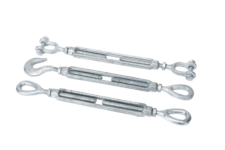
In this environment, the products crews depend on—pulling rope, pulling tape, cable hardware—aren’t commodities. They’re critical path items. A pull that goes wrong because of a rope failure or an undersized pulling medium doesn’t just cost the price of the rope. It costs crew time, schedule, and potentially the cable itself. When labor is the scarcest and most expensive resource on the job site, the products that support those crews need to perform every time.
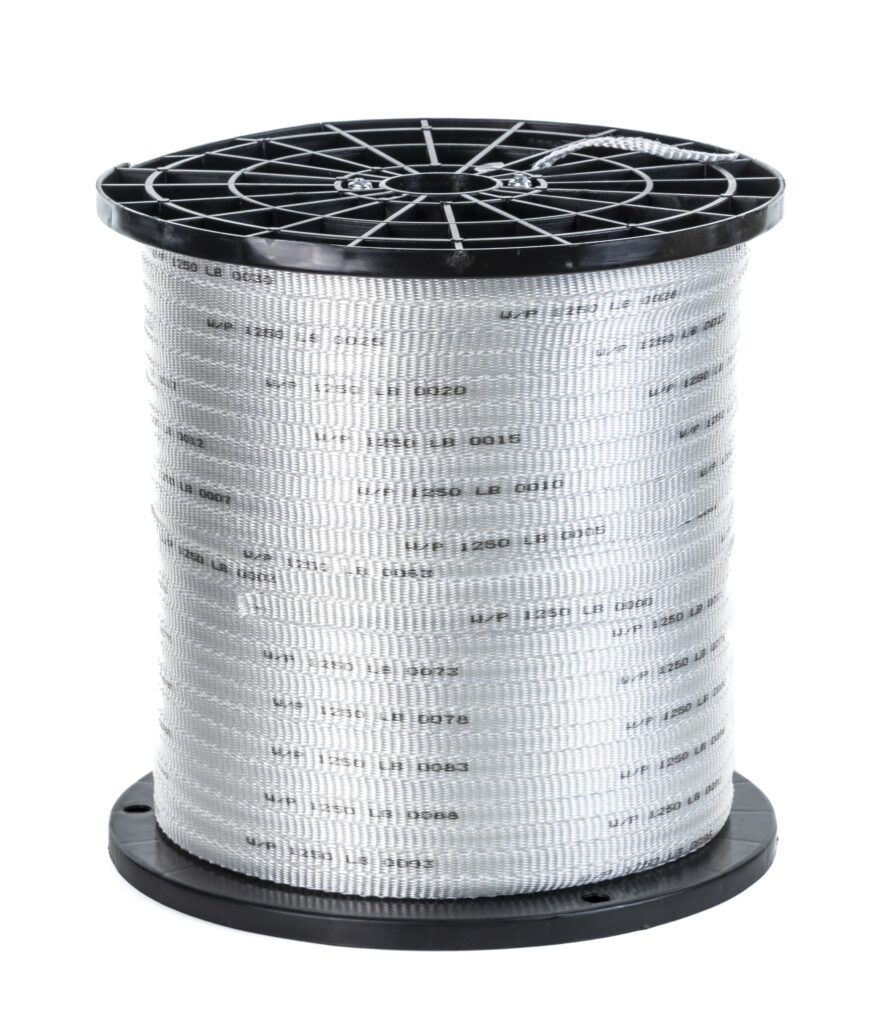


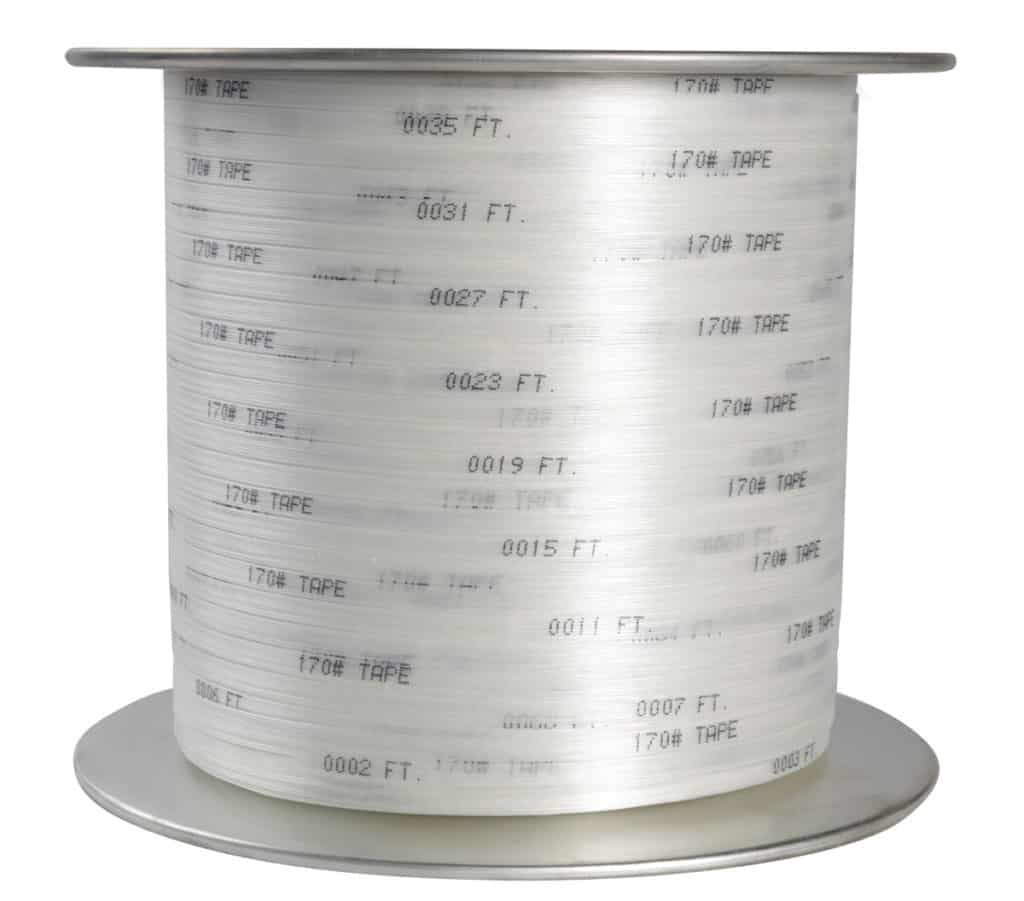
This is where sourcing decisions matter. Lead times from overseas suppliers are unpredictable. Domestic manufacturers with in-stock inventory and same-day shipping capability are better positioned to support the pace of work that data center and utility infrastructure projects demand. When a distributor can fill an order the same day it’s placed, it’s a competitive advantage for the contractor running the job.
Looking Ahead
The construction activity driving this demand isn’t speculative. The capital is committed, with projects permitted or under construction. The transmission and distribution spending is backed by utility rate cases and federal infrastructure funding that extends through at least late 2026 under the Infrastructure Investment and Jobs Act. Even if the pace of new data center announcements moderates, the projects already in the pipeline will sustain elevated demand for cable installation labor and materials through 2027 and beyond.
For distributors, contractors, and procurement teams, the takeaway is straightforward: the demand for cable installation is growing faster than the workforce to perform it. Every decision that helps crews work more efficiently—better products, faster sourcing, reliable inventory—has an outsized impact when labor is the constraint. The companies that position themselves on the supply side of this equation, with the right products in stock and ready to ship, are the ones that will capture the opportunity.
At Erin Rope Corporation, we manufacture pulling rope, pull tape, cable hardware, and conduit measuring tape at our facility in Blue Island, Illinois. Our products are built for the work being done right now in this growing landscape of electrical infrastructure demand. We ship same day from one of the largest in-stock inventories of rope and cable hardware in the industry.
If you’re ready to capitalize on these market opportunities, call our Sales Team today at 708-377-1084 to discuss product specifications for your next project, or visit erinrope.com.