
Blog

Nylon Rope Guide: Uses, Benefits, and Strengths
Nylon was the first synthetic fiber widely adopted for rope. Decades later, it remains a leading choice for applications that require strength and flexibility. Choosing the right nylon rope depends on how you’ll use it. Construction affects strength, handling, and splicing options, while environmental conditions can influence performance and service…
How Contractors Are Adapting Bidding Strategies for the AI Infrastructure Boom
Bidding for electrical and utility work has changed, and the pace of change is accelerating. Data center construction spending in the U.S. more than doubled year over year in 2025, topping $52 billion. Amazon, Microsoft, Google, and Meta alone are projected to spend nearly $700 billion combined in capital expenditures…
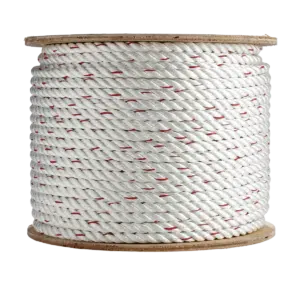
Product Feature: 3-Strand Twisted Poly-Dacron Combination Rope
Poly-Dacron combination rope—often called Poly-Dac—is one of the most versatile ropes on the market for demanding utility, rigging, and safety applications. It combines the tensile strength and abrasion resistance of polyester with the lightweight, flexible, buoyant properties of polypropylene. It gives crews a single-rope construction that handles a wide range…
Data Center Construction Pulling Product Guide
Data center construction has become one of the largest sources of electrical and communications infrastructure work in the United States. The data center construction market is expected to reach $287+ billion by the end of 2026. Every new facility will require extensive electrical, fiber optic, communications, and utility infrastructure. At…

What Is Abaca Fiber? The Natural Fiber Behind Manila Rope
Every coil of natural-fiber Manila rope starts as an abaca plant grown in the Philippines. The plant is hand-harvested, stripped with a knife, and dried in the sun. That supply chain has operated for well over a century and produces a strong, affordable natural fiber that is widely recognized today.…

How Summer Conditions Affect Rope, Cable, and Crew
Summer heat affects more than the people on the jobsite. It also changes how rope, cable, and rigging perform. Prolonged sun exposure can accelerate UV damage, compromise the strength of synthetic rope, and make metal hardware difficult to handle. Understanding those changes helps crews choose the right equipment, inspect it…