Winter Rope Performance and Inspection Best Practices
Winter changes everything on a jobsite. Loads behave differently. Equipment feels stiffer. And small issues that may be manageable in warmer months quickly become safety risks when temperatures drop.
The good news is that winter does not have to derail productivity or safety. With a tighter inspection routine, smarter storage practices, and a few cold-weather adjustments, crews can protect their equipment and reduce the risk of incidents.
Below is a practical, field-ready guide to rope performance and inspection best practices for winter jobsites.
How Cold Temperatures Impact Rope Performance
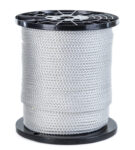
Most modern rigging ropes are manufactured from synthetic fibers designed for strength, durability, and controlled stretch. While these materials perform well across a wide range of environments, cold weather does change how they behave.
In freezing temperatures, ropes can lose flexibility and become noticeably stiffer. This stiffness makes handling more difficult and increases internal stress when the rope is bent, loaded, or subjected to shock loading. Reduced elasticity also means the rope may not absorb dynamic forces as effectively as it would in warmer conditions.
Moisture adds another layer of concern. Snow, sleet, and freezing rain can penetrate the fibers of rope. Once moisture freezes inside the rope, it can further reduce flexibility and mask internal damage. Frozen ropes may appear intact while hiding compromised fibers beneath the surface.
The takeaway is simple. If a rope feels significantly stiffer than usual, it warrants closer inspection before being returned to service.
Wire Rope and Hardware in Winter Conditions
Wire rope and hardware are not immune to cold-weather. Low temperatures can reduce ductility, making metal more susceptible to cracking under impact or sudden loading.
Ice buildup on wire rope and hardware creates handling hazards and can interfere with proper seating and alignment. Even thin ice layers can affect load control, especially during precision lifts.
Cold metal also presents a direct risk to workers. Bare skin contact can cause frostbite, and dropped hardware may suffer damage that is not immediately visible. Using insulated gloves with proper grip is not optional in winter rigging environments.
Rope Inspection: Winter Best Practices
Routine inspection is always critical, but winter conditions demand extra attention before and after every use.
Ropes should be checked for:
- Stiffness
- Glazing
- Abrasions
- Broken fibers
- Signs of internal freezing.
Wire rope inspections should focus on:
- Broken wires
- Corrosion
- Kinks
- Ice trapped between strands
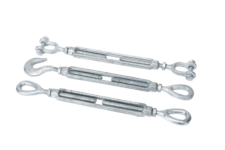
Hardware should be examined for:
- Cracks
- Deformation
- Proper function, especially if it has been exposed to repeated freeze-thaw cycles.
If ice or snow is present, it should be cleared from all rope and hardware before inspection. Damage hidden under frozen moisture is damage you cannot afford to miss. If there is ever uncertainty about the condition of a rope or piece of hardware, it should be removed from service.
Safe Storage and Handling: Winter Best Practices
How ropes and hardware are stored between uses plays a major role in performance, regardless of the season. Leaving ropes exposed to snow, ice, and temperature swings shortens service life and increases the likelihood of internal damage.
Whenever possible, store equipment in a dry, ventilated area away from direct exposure. Keeping equipment off the ground prevents moisture accumulation and freezing from below. Avoid sealing wet gear in airtight containers, as trapped moisture can freeze and cause long-term degradation.
Allowing frozen ropes to thaw naturally in a controlled environment is preferable to forcing flexibility through bending or loading. Attempting to “work out” stiffness can cause internal damage that may not be immediately visible.
Built for the Work, Ready for the Weather
Winter does not have to bring operations to a halt, but it does require respect for the conditions.
Cold weather pushes equipment closer to its limits. That is why winter work demands more discipline: better inspection, better storage, better planning, and more conservative calls when conditions change.
At Erin Rope Corporation, we have spent decades supporting crews who work through every season. From synthetic and wire rope solutions to rigging and wire rope accessories designed for demanding environments, our focus remains the same. Help you work safely, consistently, and with confidence, no matter what the weather brings.
If you have questions about rope selection, winter performance, or inspection best practices, our team is here to help. Contact our team today.